- 2 402 202 книги
- Поиск
libcats.org
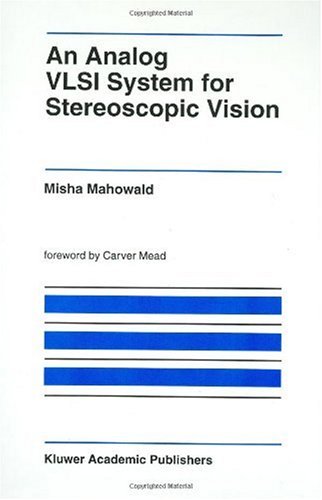



An Analog VLSI System for Stereoscopic Vision
Misha MahowaldAn Analog VLSI System for Stereoscopic Vision investigates the interaction of the physical medium and the computation in both biological and analog VLSI systems by synthesizing a functional neuromorphic system in silicon. In both the synthesis and analysis of the system, a point of view from within the system is adopted rather than that of an omniscient designer drawing a blueprint. This perspective projects the design and the designer into a living landscape. The motivation for a machine-centered perspective is explained in the first chapter. The second chapter describes the evolution of the silicon retina. The retina accurately encodes visual information over orders of magnitude of ambient illumination, using mismatched components that are calibrated as part of the encoding process. The visual abstraction created by the retina is suitable for transmission through a limited bandwidth channel. The third chapter introduces a general method for interchip communication, the address-event representation, which is used for transmission of retinal data. The address-event representation takes advantage of the speed of CMOS relative to biological neurons to preserve the information of biological action potentials using digital circuitry in place of axons. The fourth chapter describes a collective circuit that computes stereodisparity. In this circuit, the processing that corrects for imperfections in the hardware compensates for inherent ambiguity in the environment. The fifth chapter demonstrates a primitive working stereovision system. An Analog VLSI System for Stereoscopic Vision contributes to both computer engineering and neuroscience at a concrete level. Through the construction of a working analog of biological vision subsystems, new circuits for building brain-style analog computers have been developed. Specific neuropysiological and psychophysical results in terms of underlying electronic mechanisms are explained. These examples demonstrate the utility of using biological principles for building brain-style computers and the significance of building brain-style computers for understanding the nervous system.
Популярные книги за неделю:
Хоббит, или Туда и обратно (пер. М. Каменкович, С. Степанов)
Автор: Толкиен Джон Роналд РуэлКатегория: Фэнтези
Размер книги: 1.12 Mb


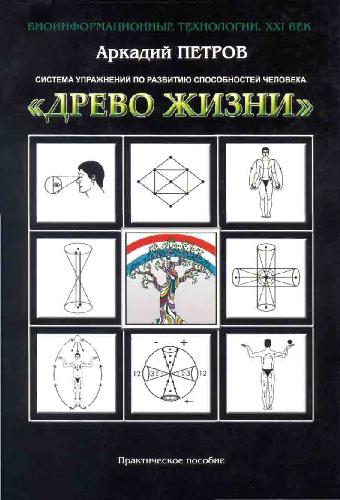
Система упражнений по развитию способностей человека (Практическое пособие)
Автор: Петров Аркадий НаумовичКатегория: Путь к себе
Размер книги: 818 Kb
Сотворение мира (3-х томник)
Автор: Петров Аркадий НаумовичКатегория: Путь к себе
Размер книги: 817 Kb

Только что пользователи скачали эти книги:
Fantasy & Science Fiction Magazine - 02-2002
Автор: Fantasy & Science Fiction Magazine
Размер книги: 199 Kb
Идеальный пресс. Интенсивный 6-недельный курс тренировок
Автор: Курт Брунгардт
Размер книги: 3.01 Mb

Journal Publishing
Автор: Gillian Page, Автор: Robert Campbell, Автор: Jack MeadowsКатегория: Наука (общее), Научно-популярное
Размер книги: 7.20 Mb

Arrested Adulthood: The Changing Nature of Maturity and Identity
Автор: James Cote
Размер книги: 1.47 Mb