- 2 402 202 книги
- Поиск
libcats.org
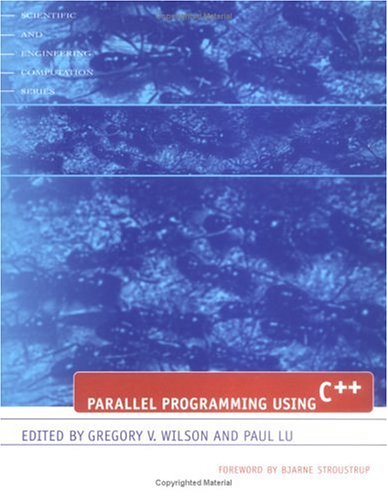



Parallel Programming Using C++ (Scientific and Engineering Computation)
Gregory V. Wilson, Paul LuForeword by Bjarne Stroustrup Software is generally acknowledged to be the single greatest obstacle preventing mainstream adoption of massively-parallel computing. While sequential applications are routinely ported to platforms ranging from PCs to mainframes, most parallel programs only ever run on one type of machine. One reason for this is that most parallel programming systems have failed to insulate their users from the architectures of the machines on which they have run. Those that have been platform-independent have usually also had poor performance. Many researchers now believe that object-oriented languages may offer a solution. By hiding the architecture-specific constructs required for high performance inside platform-independent abstractions, parallel object-oriented programming systems may be able to combine the speed of massively-parallel computing with the comfort of sequential programming. Parallel Programming Using C++ describes fifteen parallel programming systems based on C++, the most popular object-oriented language of today. These systems cover the whole spectrum of parallel programming paradigms, from data parallelism through dataflow and distributed shared memory to message-passing control parallelism. For the parallel programming community, a common parallel application is discussed in each chapter, as part of the description of the system itself. By comparing the implementations of the polygon overlay problem in each system, the reader can get a better sense of their expressiveness and functionality for a common problem. For the systems community, the chapters contain a discussion of the implementation of the various compilers and runtime systems. In addition to discussing the performance of polygon overlay, several of the contributors also discuss the performance of other, more substantial, applications. For the research community, the contributors discuss the motivations for and philosophy of their systems. As well, many of the chapters include critiques that complete the research arc by pointing out possible future research directions. Finally, for the object-oriented community, there are many examples of how encapsulation, inheritance, and polymorphism can be used to control the complexity of developing, debugging, and tuning parallel software. Scientific and Engineering Computation series
Скачать книгу бесплатно (chm, 10.76 Mb)
Популярные книги за неделю:


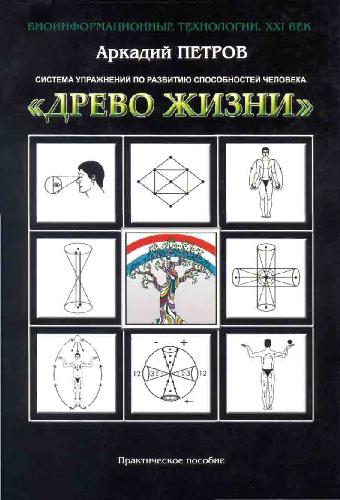
Система упражнений по развитию способностей человека (Практическое пособие)
Автор: Петров Аркадий НаумовичКатегория: Путь к себе
Размер книги: 818 Kb
Сотворение мира (3-х томник)
Автор: Петров Аркадий НаумовичКатегория: Путь к себе
Размер книги: 817 Kb


Только что пользователи скачали эти книги:

Yoga's Forgotten Foundation: Twenty Timeless Keys to Your Divine Destiny
Автор: Sivaya Subramuniyaswami
Размер книги: 7.66 Mb

Поляки на Волині у роки Другої світової війни. Документи з українських архівів і польські публікації.
Автор: Сергійчук В.Категория: Історія
Размер книги: 36.92 Mb
More Ketchup Than Salsa - Confessions of a Tenerife Barman
Автор: Cawley JoeКатегория: fiction
Размер книги: 399 Kb