- 2 402 202 книги
- Поиск

Dangerous pollutants (xenobiotics) in urban water cycle
Petr Hlavinek, Ongjen Bonacci, Jiri Marsalek, Ivana MahrikovaThe topics focused on evaluation of impact of xenobiotics in the whole Urban Water Cycle are an interdisciplinary task which has a rising concern these days. Xenobiotics includes both inorganic elements like heavy metals, metalloids and man-made organic compounds such as pesticides, surfactants, solvents, fragrances, flavours, and pharmaceuticals as well as endocrine disrupters. It has been estimated that 70,000 xenobiotics may potentially be hazardous for humans and/or ecosystems. Water supply, urban drainage and wastewater treatment systems were originally designed to solve just conventional problems such as supply of potable water, flooding prevention and sanitation. The main problem within the conventional urban water cycle approaches is absence of design to deal with xenobiotics. Nowadays can be seen increased focus on rainwater use, wastewater reclamation and reuse in industrial and as well in domestic sector what increase the exposure to xenobiotics. Innovative approaches are therefore needed to prevent xenobiotics from being discharged into surface waters where they may give rise to impacts on the chemical water quality and ecological status of receiving waters as it is already recognized by the EU-Water Framework Directive. Under such circumstances it is needed to assess knowledge gaps within the integrated water management with a particular emphasis on xenobiotics.
Leaking sewer pipes, land application of treatment residues and increased focus on soil-infiltration of stormwater and wastewater further put the urban and peri-urban soil and groundwater resources at a potential risk that only rudimentary is accessed now. The integrated nature of the urban water systems and the ability of xenobiotics to spread across structural boundaries and into the environment where ecological systems and humans are exposed calls for an intersectorial and multidisciplinary approach to problem awareness and solution. Pollutants of interest have mainly been the conventional parameters (BOD, COD, N, P, SS and micro-organisms). Thus, there is a need to understand the sources, flow paths, fate (transport, treatment, natural attenuation) and impact of xenobiotics on both humans and environment in this technical system.
This book is based on the discussions and papers prepared for the NATO Advanced Research Workshop that took place in Velke Bilovice (Lednice area), Czech Republic under the auspices of the NATO Security Through Science Programme and addressed urban water management problems.
The main purpose of the workshop was to critically assess the existing knowledge on Xenobiotics in urban water cycle, with respect to diverse conditions in participating countries, and promote close co-operation among scientists with different professional experience from different countries.
The ARW technical program comprised papers on 4 topics, Challenges in Water Resources Management, Safety and Security of Water Supply and Sanitation, Xenobiotics and its treatment, Impact assessment and Wastewater Treatment and Reuse.


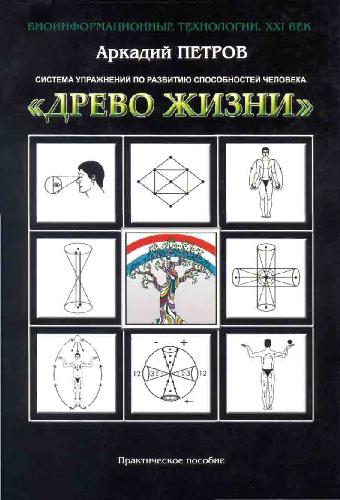
Система упражнений по развитию способностей человека (Практическое пособие)
Автор: Петров Аркадий Наумович
Сотворение мира (3-х томник)
Автор: Петров Аркадий Наумович


Россия была приговорена к 15 годам свободы
Автор: Лебедев Андрей Викторович
Blood Meridian: Or the Evening Redness in the West (Modern Library)
Автор: Cormac McCarthy

Damage Mechanics
Автор: Krajcinovic D.