- 2 402 202 книги
- Поиск
libcats.org
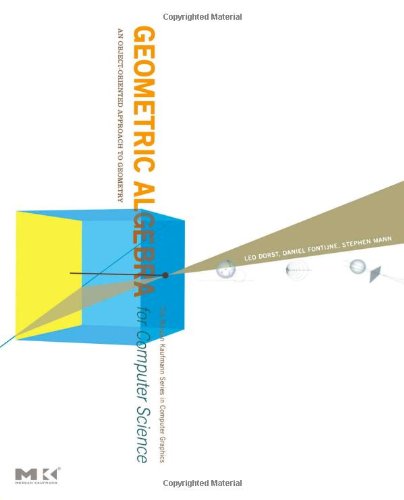


Geometric algebra for computer science (with errata)
Leo Dorst, Daniel Fontijne, Stephen MannWithin the last decade, Geometric Algebra (GA) has emerged as a powerful alternative to classical matrix algebra as a comprehensive conceptual language and computational system for computer science. This book will serve as a standard introduction and reference to the subject for students and experts alike. As a textbook, it provides a thorough grounding in the fundamentals of GA, with many illustrations, exercises and applications. Experts will delight in the refreshing perspective GA gives to every topic, large and small.
-David Hestenes, Distinguished research Professor, Department of Physics, Arizona State University
Geometric Algebra is becoming increasingly important in computer science. This book is a comprehensive introduction to Geometric Algebra with detailed descriptions of important applications. While requiring serious study, it has deep and powerful insights into GA's usage. It has excellent discussions of how to actually implement GA on the computer.
-Dr. Alyn Rockwood, CTO, FreeDesign, Inc. Longmont, Colorado
Until recently, almost all of the interactions between objects in virtual 3D worlds have been based on calculations performed using linear algebra. Linear algebra relies heavily on coordinates, however, which can make many geometric programming tasks very specific and complex-often a lot of effort is required to bring about even modest performance enhancements. Although linear algebra is an efficient way to specify low-level computations, it is not a suitable high-level language for geometric programming.
Geometric Algebra for Computer Science presents a compelling alternative to the limitations of linear algebra. Geometric algebra, or GA, is a compact, time-effective, and performance-enhancing way to represent the geometry of 3D objects in computer programs. In this book you will find an introduction to GA that will give you a strong grasp of its relationship to linear algebra and its significance for your work. You will learn how to use GA to represent objects and perform geometric operations on them. And you will begin mastering proven techniques for making GA an integral part of your applications in a way that simplifies your code without slowing it down.
Features
Explains GA as a natural extension of linear algebra and conveys its significance for 3D programming of geometry in graphics, vision, and robotics.
Systematically explores the concepts and techniques that are key to representing elementary objects and geometric operators using GA.
Covers in detail the conformal model, a convenient way to implement 3D geometry using a 5D representation space.
Presents effective approaches to making GA an integral part of your programming.
Includes numerous drills and programming exercises helpful for both students and practitioners.
Companion web site includes links to GAViewer, a program that will allow you to interact with many of the 3D figures in the book, and Gaigen 2, the platform for the instructive programming exercises that conclude each chapter.
About the Authors
Leo Dorst is Assistant Professor of Computer Science at the University of Amsterdam, where his research focuses on geometrical issues in robotics and computer vision. He earned M.Sc. and Ph.D. degrees from Delft University of Technology and received a NYIPLA Inventor of the Year award in 2005 for his work in robot path planning.
Daniel Fontijne holds a Master's degree in artificial Intelligence and is a Ph.D. candidate in Computer Science at the University of Amsterdam. His main professional interests are computer graphics, motion capture, and computer vision.
Stephen Mann is Associate Professor in the David R. Cheriton School of Computer Science at the University of Waterloo, where his research focuses on geometric modeling and computer graphics. He has a B.A. in Computer Science and Pure Mathematics from the University of California, Berkeley, and a Ph.D. in Computer Science and Engineering from the University of Washington.
* The first book on Geometric Algebra for programmers in computer graphics and entertainment computing
* Written by leaders in the field providing essential information on this new technique for 3D graphics
* This full colour book includes a website with GAViewer, a program to experiment with GA
-David Hestenes, Distinguished research Professor, Department of Physics, Arizona State University
Geometric Algebra is becoming increasingly important in computer science. This book is a comprehensive introduction to Geometric Algebra with detailed descriptions of important applications. While requiring serious study, it has deep and powerful insights into GA's usage. It has excellent discussions of how to actually implement GA on the computer.
-Dr. Alyn Rockwood, CTO, FreeDesign, Inc. Longmont, Colorado
Until recently, almost all of the interactions between objects in virtual 3D worlds have been based on calculations performed using linear algebra. Linear algebra relies heavily on coordinates, however, which can make many geometric programming tasks very specific and complex-often a lot of effort is required to bring about even modest performance enhancements. Although linear algebra is an efficient way to specify low-level computations, it is not a suitable high-level language for geometric programming.
Geometric Algebra for Computer Science presents a compelling alternative to the limitations of linear algebra. Geometric algebra, or GA, is a compact, time-effective, and performance-enhancing way to represent the geometry of 3D objects in computer programs. In this book you will find an introduction to GA that will give you a strong grasp of its relationship to linear algebra and its significance for your work. You will learn how to use GA to represent objects and perform geometric operations on them. And you will begin mastering proven techniques for making GA an integral part of your applications in a way that simplifies your code without slowing it down.
Features
Explains GA as a natural extension of linear algebra and conveys its significance for 3D programming of geometry in graphics, vision, and robotics.
Systematically explores the concepts and techniques that are key to representing elementary objects and geometric operators using GA.
Covers in detail the conformal model, a convenient way to implement 3D geometry using a 5D representation space.
Presents effective approaches to making GA an integral part of your programming.
Includes numerous drills and programming exercises helpful for both students and practitioners.
Companion web site includes links to GAViewer, a program that will allow you to interact with many of the 3D figures in the book, and Gaigen 2, the platform for the instructive programming exercises that conclude each chapter.
About the Authors
Leo Dorst is Assistant Professor of Computer Science at the University of Amsterdam, where his research focuses on geometrical issues in robotics and computer vision. He earned M.Sc. and Ph.D. degrees from Delft University of Technology and received a NYIPLA Inventor of the Year award in 2005 for his work in robot path planning.
Daniel Fontijne holds a Master's degree in artificial Intelligence and is a Ph.D. candidate in Computer Science at the University of Amsterdam. His main professional interests are computer graphics, motion capture, and computer vision.
Stephen Mann is Associate Professor in the David R. Cheriton School of Computer Science at the University of Waterloo, where his research focuses on geometric modeling and computer graphics. He has a B.A. in Computer Science and Pure Mathematics from the University of California, Berkeley, and a Ph.D. in Computer Science and Engineering from the University of Washington.
* The first book on Geometric Algebra for programmers in computer graphics and entertainment computing
* Written by leaders in the field providing essential information on this new technique for 3D graphics
* This full colour book includes a website with GAViewer, a program to experiment with GA
Популярные книги за неделю:


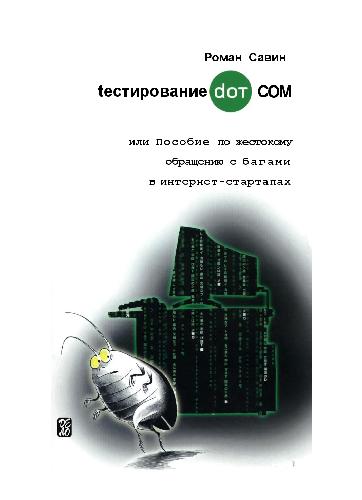
Тестирование Дот Ком, или Пособие по жестокому обращению с багами в интернет-стартапах
Автор: Роман Савин
Размер книги: 5.26 Mb
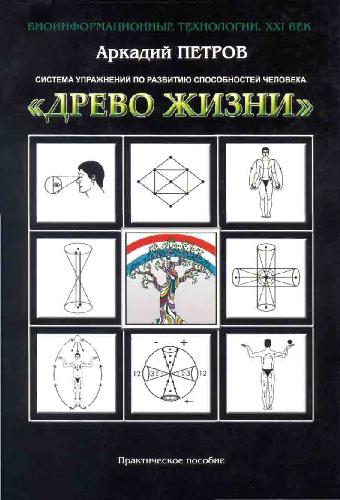
Система упражнений по развитию способностей человека (Практическое пособие)
Автор: Петров Аркадий НаумовичКатегория: Путь к себе
Размер книги: 818 Kb
Сотворение мира (3-х томник)
Автор: Петров Аркадий НаумовичКатегория: Путь к себе
Размер книги: 817 Kb

Только что пользователи скачали эти книги:
Оранжево за болка, синьо за безумие
Автор: Морел ДейвидКатегория: Классическая проза
Размер книги: 38 Kb
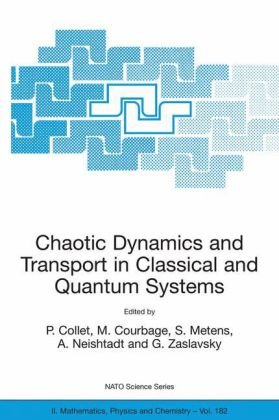
Chaotic Dynamics and Transport in Classical and Quantum Systems: Proceedings of the NATO Advanced Study Institute on International Summer School on Chaotic ... II: Mathematics, Physics and Chemistry)
Автор: Pierre Collet, Автор: M. Courbage, Автор: S. Métens, Автор: A. Neishtadt, Автор: G. Zaslavsky
Размер книги: 19.10 Mb
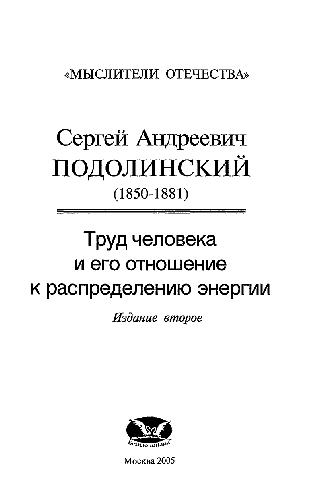
Труд человека и его отношение к распределению энергии
Автор: Подолинский С. А.
Размер книги: 7.06 Mb
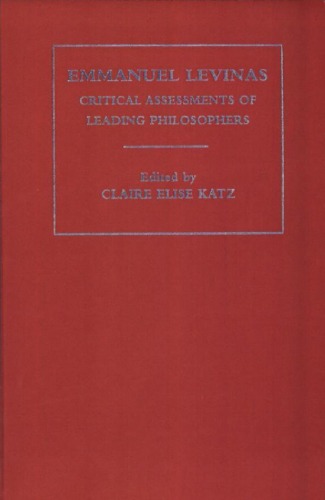
Emmanuel Levinas Critical Assessments V1: Critical Assessments of Leading Philosophers
Автор: Claire Elise Katz
Размер книги: 61.52 Mb
The Emergence of Jewish Ghettos During the Holocaust
Автор: Dan Michman, Автор: Lenn J. Schramm (translator)
Размер книги: 5.74 Mb

Руководство по работе с глиной. Часть 1: Работа на гончарном круге. Основы декорирования
Автор: Кудрявцев А.В.Категория: КНИГИ ХОББИ и РЕМЕСЛА
Размер книги: 1.44 Mb
From God's Word to a Woman's Heart (Epub & Mobi)
Автор: Jo PettyКатегория: Christian
Размер книги: 2.85 Mb